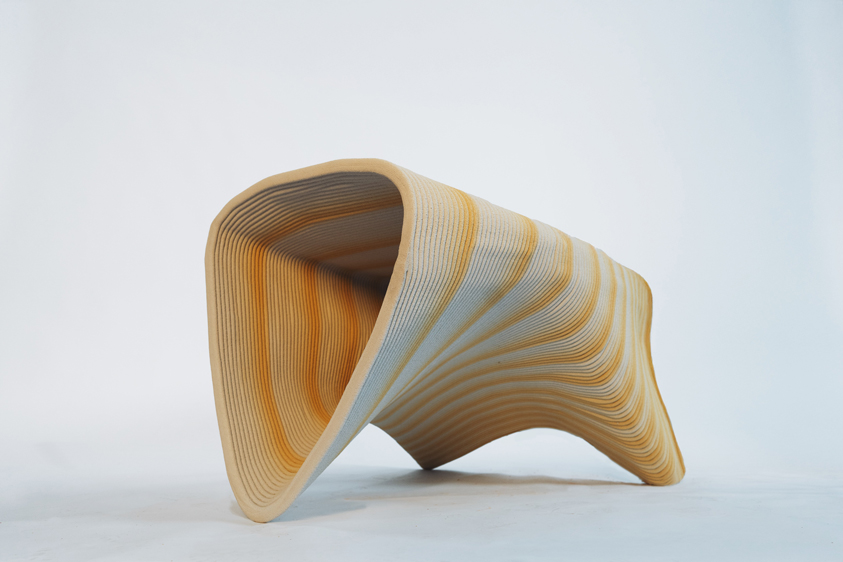
Introduction: from cathedrals to code
Architecture has always advanced when tools changed the rules. Medieval masons stretched stone to its limits with flying buttresses, the Industrial Revolution standardized parts, and the digital turn opened up free-form geometry.
Robotic arms in 3D concrete printing mark the next inflection point. Precision mechatronics, smart materials and algorithmic design are converging to free construction from the constraints of formwork and manual labor.
What once required weeks of carpentry and curing can now be shaped directly from data, layer by layer, by an articulated arm that follows code with steady precision.
This is a system change, not a simple swap of trowel for robot. Drawings become toolpaths, batch casting becomes continuous deposition, and approximate tolerances become millimetric control. The outcome is a new architectural language (lighter, faster, more sustainable) and a production logic that treats construction like advanced manufacturing.
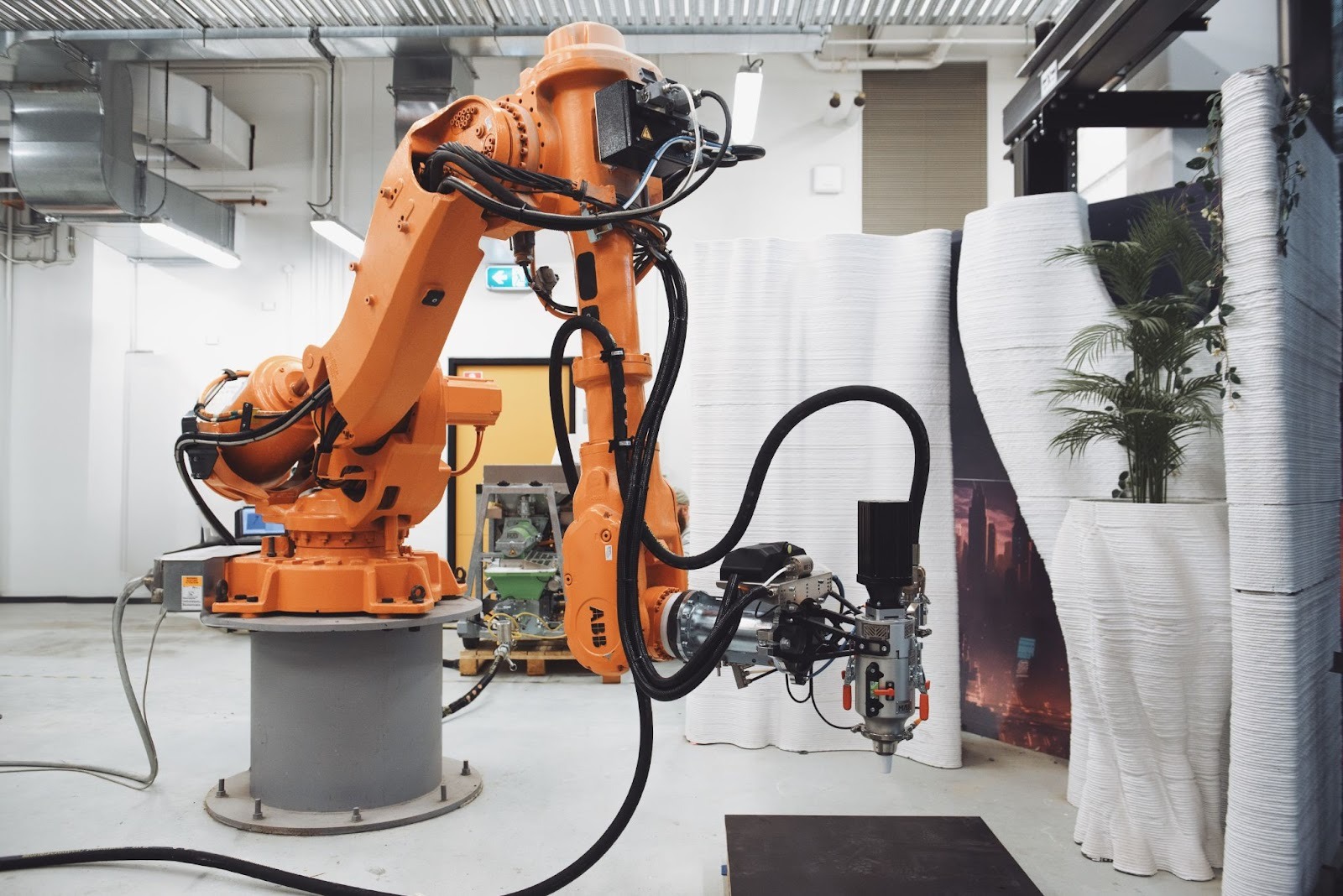
Design logic: why articulated arms change the game
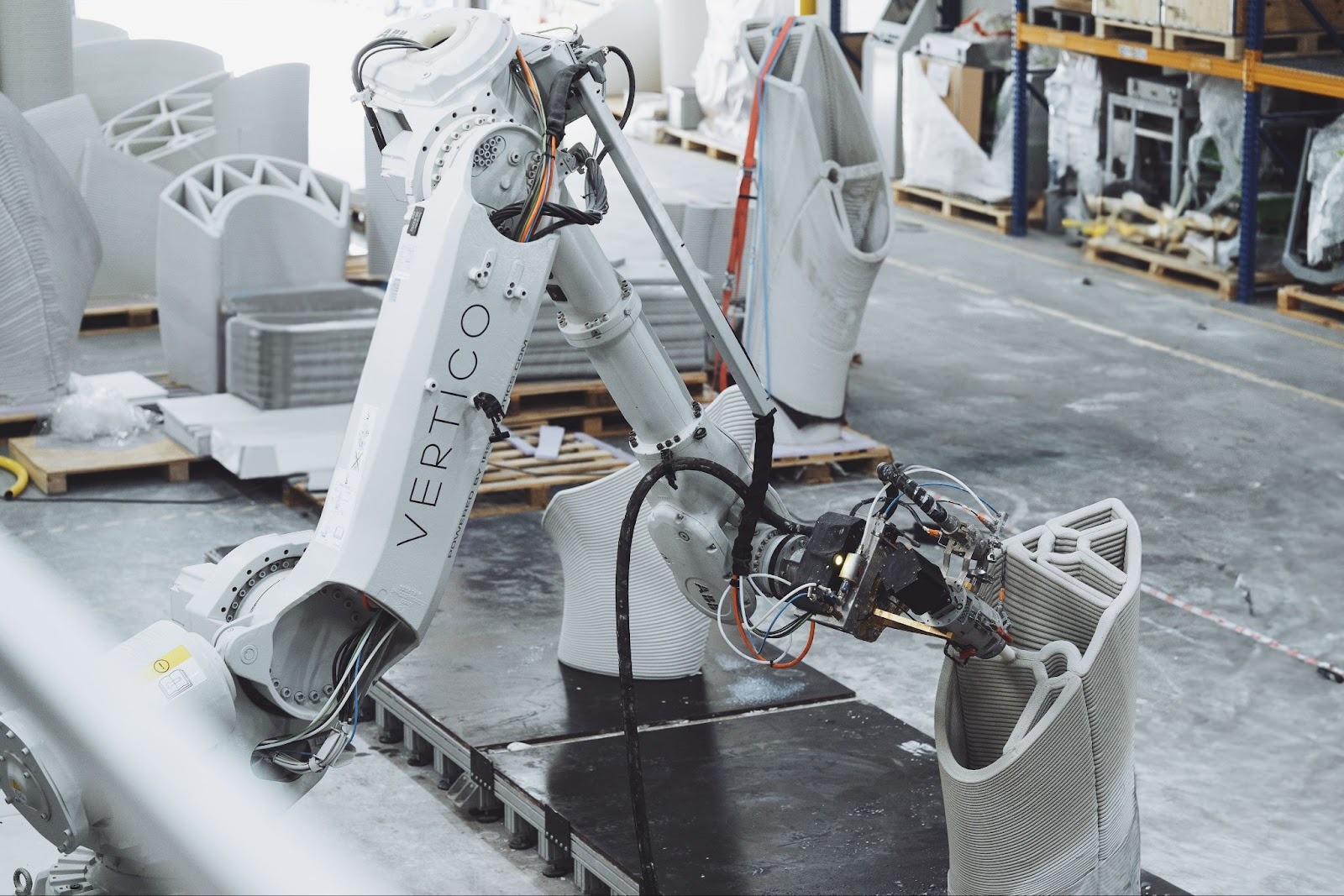
Robots first conquered automotive lines because reach, repeatability and stiffness could be engineered into a six-axis arm. The same qualities matter in 3D concrete printing:
- Degrees of freedom. A typical industrial arm provides 6 to 7 axes, enabling complex tool orientations. Instead of printing only vertically, the nozzle can tilt, weave or bridge. This improves interlayer adhesion and enables overhangs that would defeat a simple gantry.
- Reach versus footprint. Arms deliver large effective work envelopes without the site-wide rails or frames of gantries. On cramped sites or for retrofit applications, this compactness is decisive.
- End-effector flexibility. Swapping a nozzle for a finishing trowel, fiber feeder or inspection camera takes minutes. A single robot can print, compact, trim and inspect.
- Closed-loop precision. Joint encoders, torque sensing and vision let the arm adapt on the fly, correcting for thermal expansion, pump pressure fluctuations or substrate irregularities.
Under the hood, this combines kinematics and material science. The robot's trajectories are tuned to the rheology of a thixotropic cementitious mix that must flow, hold and gain strength in a rhythm measured in seconds.

The materials: rheology as a design constraint
Concrete for additive manufacturing in construction is fundamentally different from conventional mixes. Without formwork, the material's behavior is the mold.
- Pumpability and extrudability. Particle packing, water-to-binder ratio and admixtures (superplasticizers, viscosity modifiers) are tuned to maintain laminar flow through hoses and nozzle.
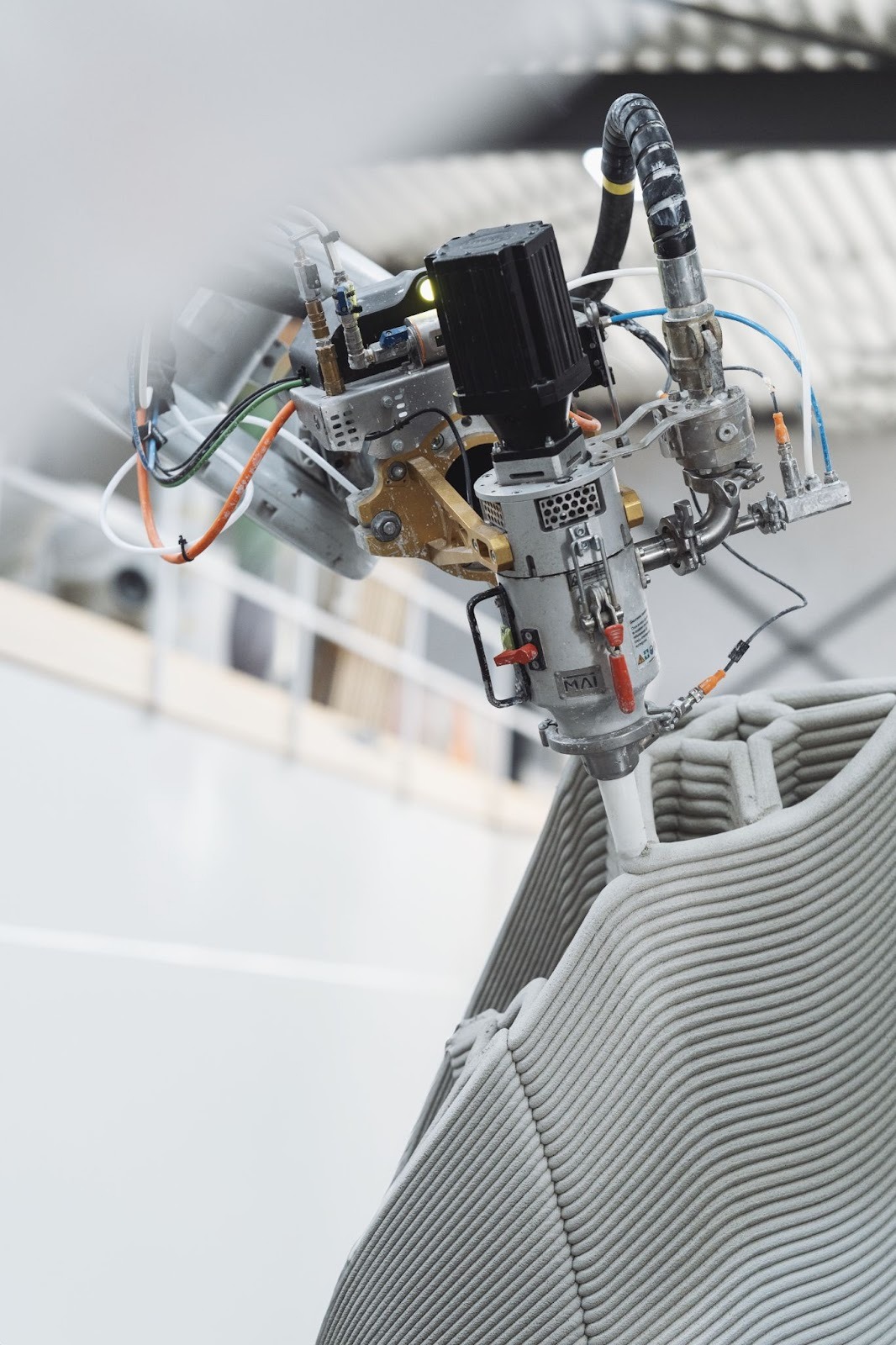
- Buildability. Once deposited, the filament must support the layers above it. Thixotropy and early-age stiffness are controlled with accelerators or inline activators near the nozzle, as in a 2K accelerator printhead.
- Interlayer bonding. Cold-joint risk is reduced by time-controlled layer intervals, mechanical weaving or surface activation (for example, micro-rilling). A robotic arm can modulate speed and nozzle angle to "iron" layers together.
Nozzle design is as architectural as it is mechanical. Oval or multi-slot tips lay flatter beads for thin walls or ribbed profiles for structural ribs. Integrated air knives improve edge definition, and coaxial nozzles enable fiber or cable co-extrusion for reinforcement.
Toolpaths: from parametric geometry to robotic motion
Parametric modeling connects design intent to machine action. The pipeline looks like this:
- Geometry conditioning. Surfaces become offset shells, lattices or rib-and-skin systems optimized for printability and structural performance.
- Print path planning. Slicing is no longer strictly planar. With robotic arms and tools such as the Vertico Slicer, toolpaths can be non-planar, conformal or variable in thickness, aligning filaments with principal stress directions.
- Kinematic feasibility. Inverse kinematics checks joint limits and singularities. If a pose is unreachable, the algorithm perturbs the path or adjusts nozzle orientation.
- Process simulation. Digital twins simulate deposition, thermal and moisture gradients, and curing kinetics to predict sag, bulge or collision.
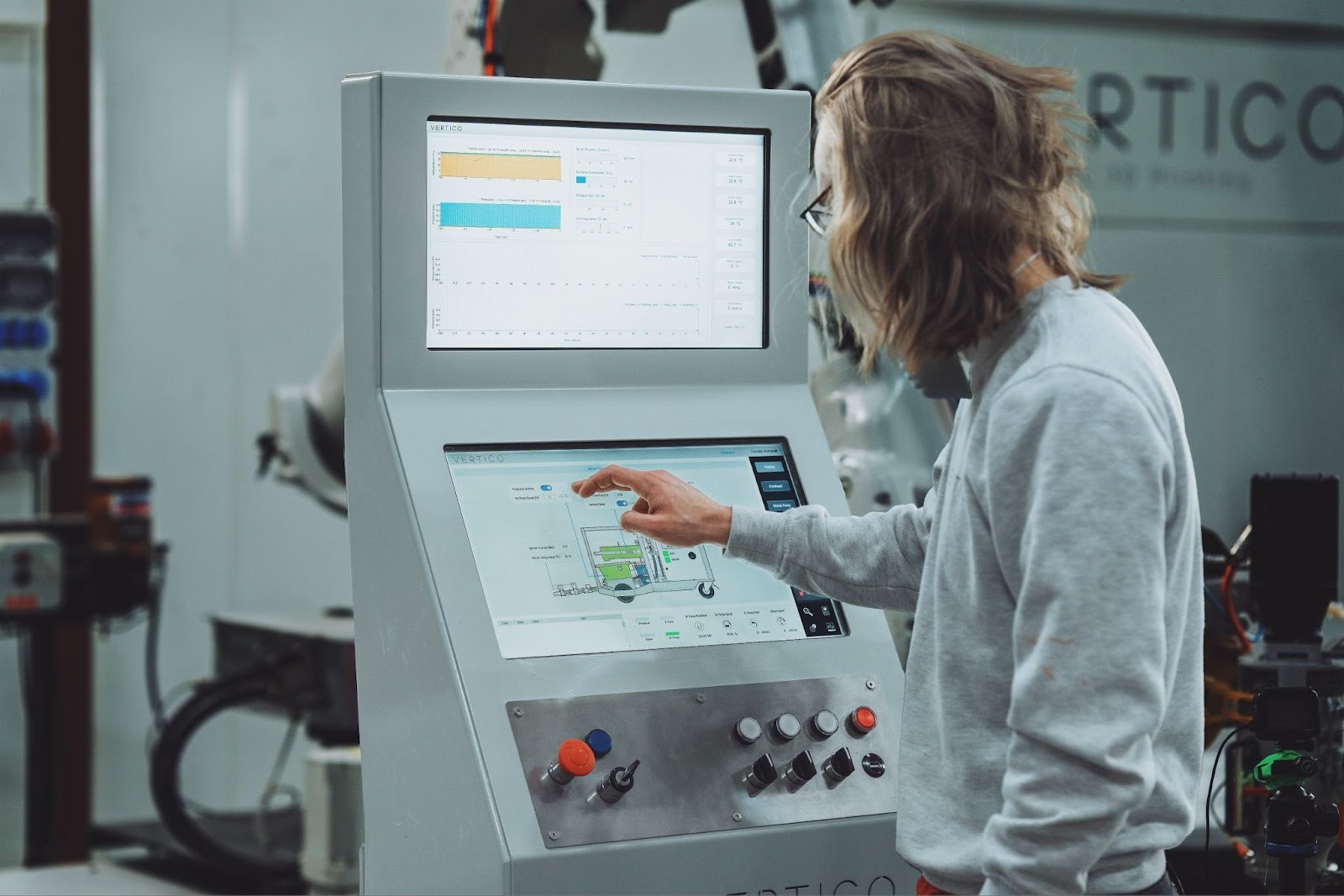
- Code generation and synchronization. The printer controller coordinates pump pressure, valve timing and robot speed. Acceleration and jerk limits are tuned so corners stay crisp and filaments don't neck.
When the robot can tilt and weave, new micro-architectures become possible, such as sinusoidal infill or anisotropic bead patterns that stiffen walls without adding mass. Think of Roman pozzolana wisdom, expressed as computational craft.
Reinforcement: beyond rebar-in-a-mold
Printing without formwork forces a rethink of reinforcement:
- Post-tensioned ducts printed into walls can be threaded with tendons after curing, enabling slender spans.
- Co-printing fibers (basalt, AR-glass, steel microfibers) raises tensile capacity and crack control without cage assembly.
- Cable or bar co-extrusion via secondary feeds lays continuous reinforcement along stress lines.
- Hybrid strategies combine printed stay-in-place formwork with minimal rebar cages or shotcrete skins, using each material's strengths.
Robotic arms excel here. The same manipulator that prints can pick and place inserts, anchors or conduits mid-build with sub-millimeter consistency.
Quality and sensing: toward self-verifying construction
Traditional quality control relies on samples. Printed construction benefits from in-situ monitoring:
- Vision and LiDAR check bead width, layer height and geometry against the digital twin in real time.
- Acoustic and ultrasonic sensors estimate early-age stiffness and detect voids.
- Load cells and pressure sensors close the loop between pump and nozzle, stabilizing flow despite temperature or material batch variation.
- Environmental sensing (humidity, wind, temperature) adapts print speed or accelerator dose on the fly.
With this data, the robot becomes a self-auditing craftsperson. Deviations trigger automatic path correction or localized rework passes.
Every layer is logged, building a traceable quality record. That record speeds up approvals and, critically, paves the way to updated codes.
Why robotic arms, and not only gantries?
Gantry systems are excellent for large, repeatable footprints. But robotic arms in 3D concrete printing offer architectural and operational advantages, as our comparison of robotic arms vs. gantry systems explains in more detail:
- Freedom of orientation. Non-planar bead placement reduces stair-stepping and improves structural continuity around openings and curves.
- Complex interior finishes. Arms can articulate inside shells to print integrated ribbing, service chases or acoustic textures.
- Multi-tool workflows. One robot prints, the next mills or grinds, and a third inspects, in a coordinated cell similar to aerospace manufacturing.
- Site agility. Arms ride on mobile bases or overhead rails and move between zones without re-rigging a massive frame.
The economics add up too: fewer bespoke molds, shorter takt times and higher utilization from multi-role robots. In the right scope, this is capital expenditure that behaves like a platform rather than a single-purpose product.
Sustainability: material efficiency as first principle
Sustainability is the design brief, not a footnote.
- Formwork elimination cuts timber, plywood and disposable plastics from the waste stream.
- Geometry-driven optimization (voided cores, ribbed shells, lattice infill) reduces cement use while maintaining stiffness: less mass, same performance.
- Local materials (supplementary cementitious materials, recycled aggregates) lower embodied carbon. Printable mixes increasingly incorporate slag, fly ash replacements, calcined clays or limestone fillers.
- Operational efficiency. Precise deposition reduces rework, and digital QA reduces the over-design margins added "just in case."
- Design for deconstruction. Printed modules with integrated connectors support circular strategies: print, use, reclaim.
Given concrete's global footprint, even single-digit percentage savings at scale are climate-relevant. Robotic control is how the industry gets there reliably.
Practical benefits for architects and builders
Speed without surprise. Once the print file is validated, cycle times become predictable. Walls or bespoke elements can be produced overnight with minimal supervision.
Design freedom that's buildable. Filleted transitions, variable thicknesses and double-curved surfaces are the shapes designers love, and they often die in formwork. Printing makes them routine, and parametric rulesets keep costs in check.
Lean logistics. No bulky molds, fewer deliveries, smaller crews. The site footprint shrinks and safety improves, with fewer working-at-height tasks and less heavy formwork handling.
Integrated services and finishes. Print conduits, niches and surface textures in a single pass. Add robotic finishing for Class A surfaces where required.
Repeatable customization. Change a radius or opening size in code, not carpentry. Mass customization starts to behave like mass production.
Cost savings that scale. Eliminating bespoke formwork, optimizing material use and reducing rework cut direct costs. Shorter schedules shrink prelims and site overhead, and smaller teams lower labor spend, delivering measurable savings from prototype to series production.
Implementation playbook: from pilot to production
- Identify the right use cases. Start with non-load-bearing elements, street furniture, site walls or cores with hybrid reinforcement. Build organizational confidence before tackling fully structural shells.
- Assemble a flexible cell. A 6-axis arm (10 to 20 kg payload) with pump, mixer and heated hoses covers most small-to-mid elements, and heavier arms address larger sections. Plan for quick-change end-effectors. Our overview of robotic concrete 3D printers shows typical cell configurations.
- Codify printability rules. Turn minimum radii, overhang limits, bead widths and layer heights into parametric constraints so architects design within the machine's sweet spot.
- Establish the digital thread. Connect BIM, slicer, robot controller and QA database. Treat every part as data-rich, from mix batch to final scan.
- Train the team. Cross-train architects, structural engineers and operators. The biggest gains come when design and production speak the same language.
- Engage early with approvals. Share test data, mock-ups and monitoring protocols with inspectors. Transparency accelerates acceptance.
Case patterns: what the arm enables
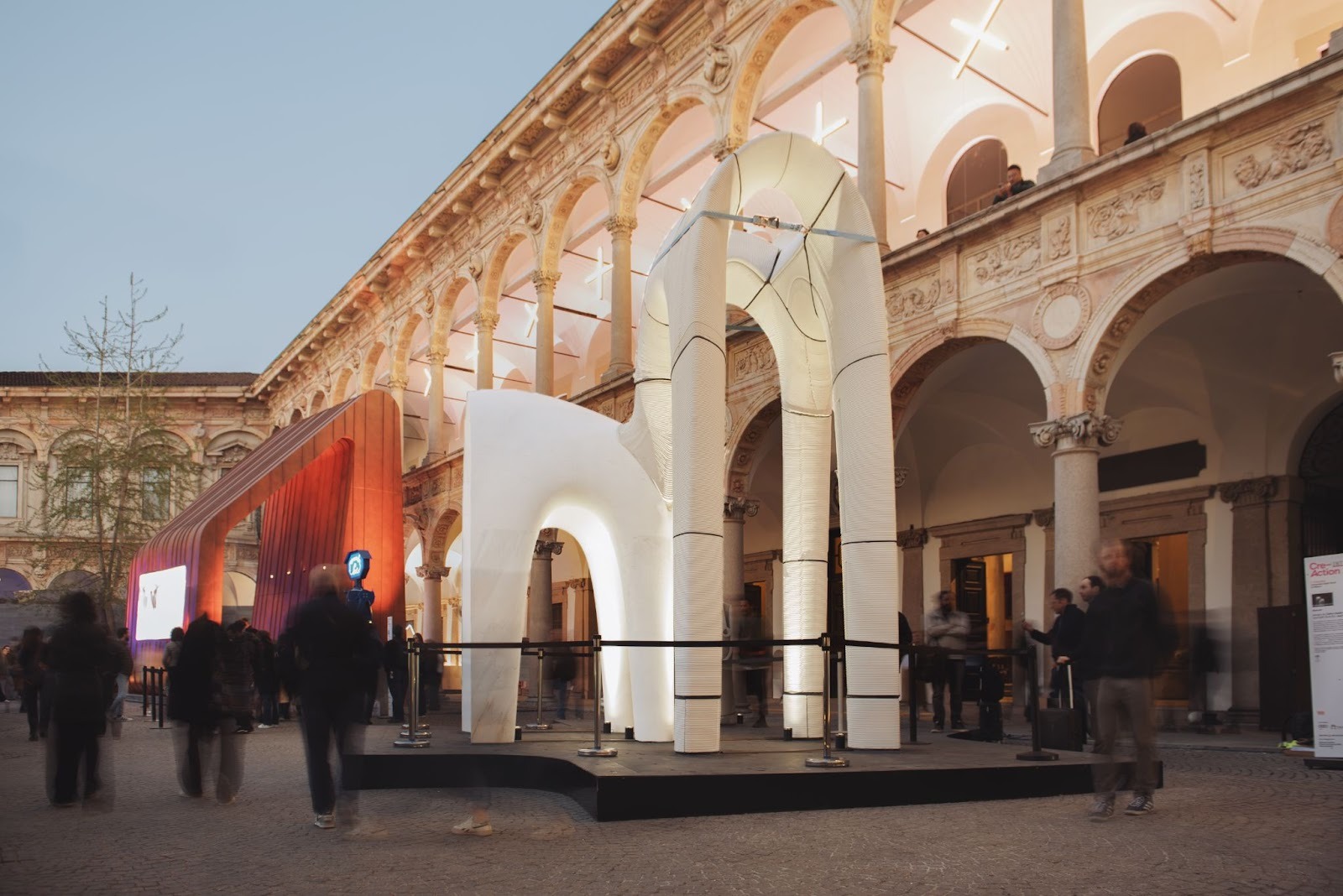
- Vaulted light shells. Non-planar toolpaths align filaments with compression thrust lines, enabling thin, post-tensioned vaults with minimal material.
- Porous acoustic walls. Variable bead spacing and amplitude create tuned cavities for sound diffusion, with function embedded in geometry.
- Infrastructure retrofits. Arms mounted on mobile platforms print stay-in-place forms for bridge repairs, which are then backfilled with high-performance grout.
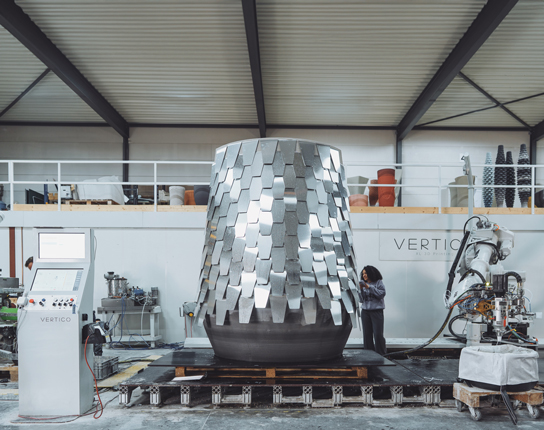
- Facade customization. Repetitive panels share a base script, so site-specific motifs are parameter tweaks rather than new molds.
Each pattern blends structural logic with expressive form, with technology serving architecture and not the other way around.
Standards, safety and the path to scale
Codes are catching up. In the meantime, performance-based design and rigorous testing bridge the gap.
Safety remains paramount: safeguarded cells, emergency stops, verified toolpaths and clear exclusion zones. As the ecosystem of material suppliers, slicer software and certification bodies matures, friction drops. Expect:
- Multi-material printing (cementitious material, insulation and waterproof skins) in a single robotic sequence.
- AI-driven deposition that adapts bead strategy to live sensor feedback, optimizing for carbon, cost or speed on demand.
- On-site swarms. Several smaller arms cooperate (one prints, one finishes, one inspects), shrinking overall takt time.
- Wider code recognition as datasets prove consistency and long-term durability (freeze-thaw, fire and carbonation resistance).
Conclusion: craft, reimagined as code
Robotic arms don't replace craftsmanship. They reframe it. The craft moves upstream into mix design, toolpath logic and real-time control, while the robot executes with consistent precision.
For architects and engineers, the reward is structures that are lighter, lower-carbon and formally freer, delivered with the reliability of modern manufacturing. The cathedral builders would recognize the ambition, and perhaps the elegance of a bead that carries force the way a stone rib once did.
The way robotic arms are changing 3D concrete printing is a blueprint for the next era of construction, where sustainability is engineered and design freedom translates directly into built reality.


%20(1).jpg)
%20(1)%20(1)%20(1)%20(1).jpg)
.jpg)
%20(2).jpg)
%20(2)%20(2).jpg)

.jpg)
.jpg)